Source Bpa Free Baby Pacifier Holder for Clips, Cases, and Covers
Source a bpa free baby pacifier holder from 30 verified listings. Compare options made from PP plastic and food-grade silicone, featuring EN71 certification and OEM capabilities for clips, cases, and covers; compare the available evidence and request quotations based on your requirements.
Key considerations
Products List
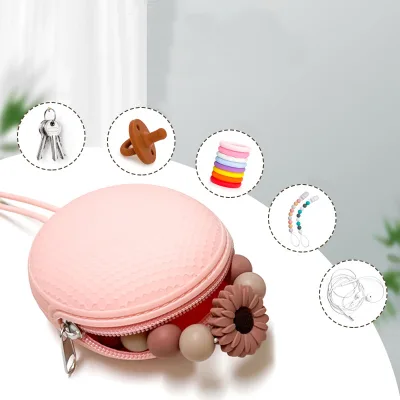
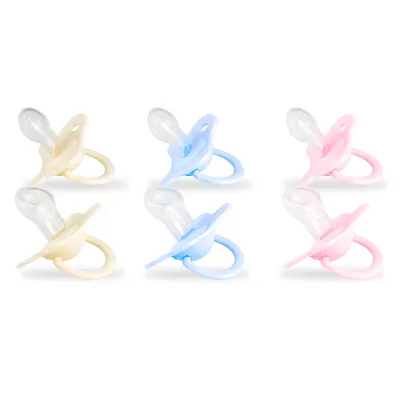
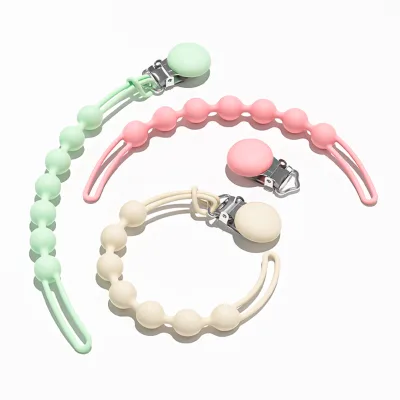
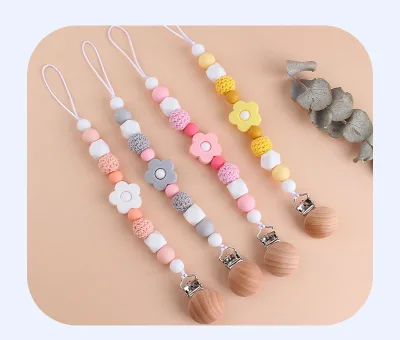


Comprehensive Sourcing Guide
Bpa Free Baby Pacifier Holder Sourcing Guide
Sourcing BPA-free baby pacifier holders requires a careful balance of material safety, functional design, and commercial viability. Buyers must navigate a market where product attributes vary significantly between suppliers, ranging from polypropylene clips to silicone cases. The core keyword highlights a critical safety requirement, yet the actual product listings reveal diverse material compositions and structural forms. Understanding these variations is essential for selecting the right component for your specific brand needs.
This guide focuses on evidence-based procurement strategies for BPA-free pacifier accessories. It draws from observed listing signals and trusted category knowledge to help buyers make informed decisions. By examining technical specifications, compliance documentation, and supplier qualifications, purchasers can mitigate risks associated with infant products. The goal is to provide a structured approach to evaluating potential suppliers and ensuring that the final product meets both safety standards and market expectations.
Product Scope and Observed Listing Signals
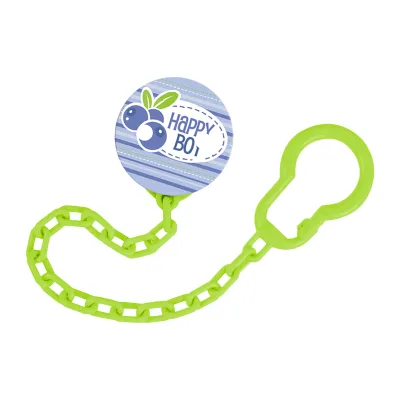
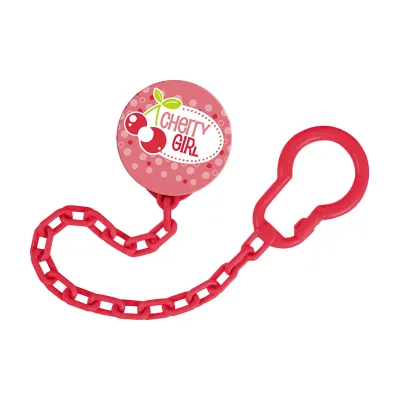
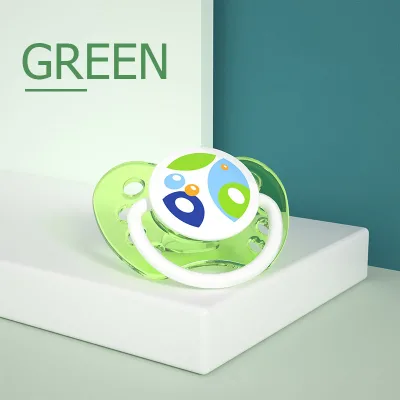
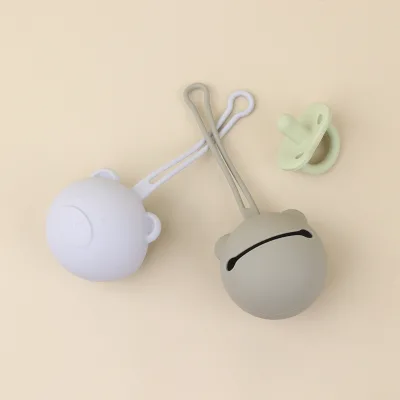
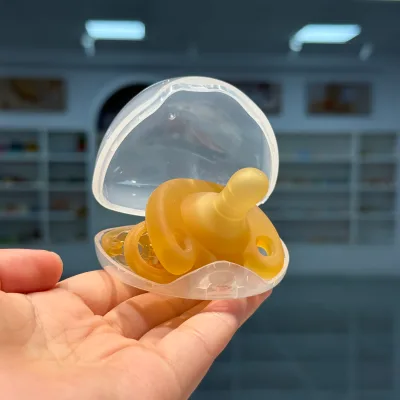
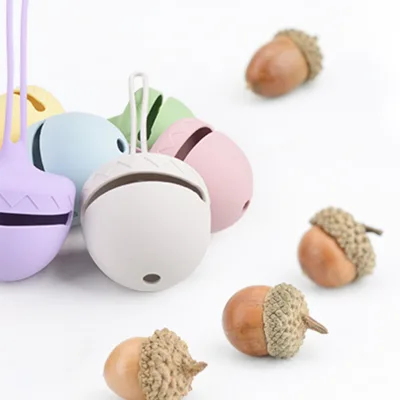
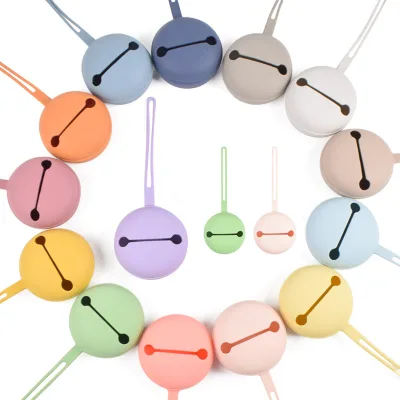
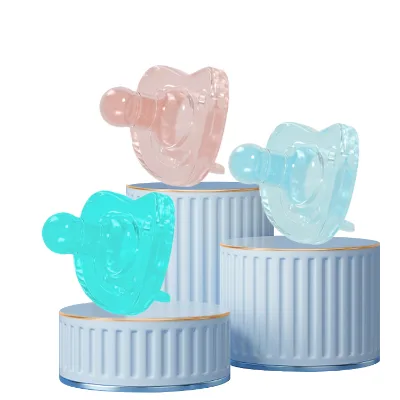
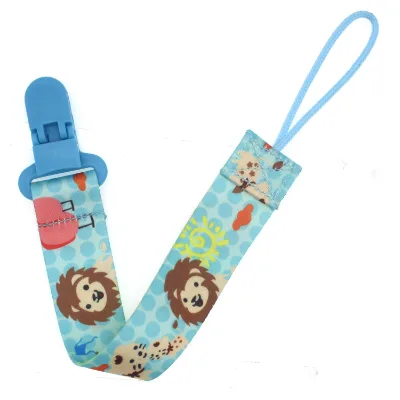
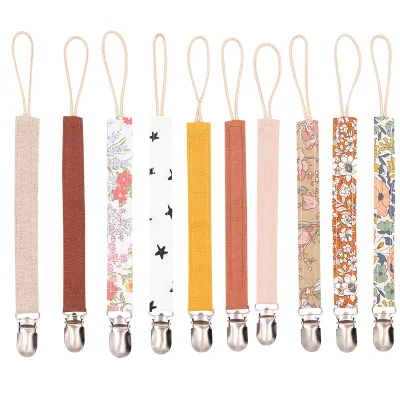
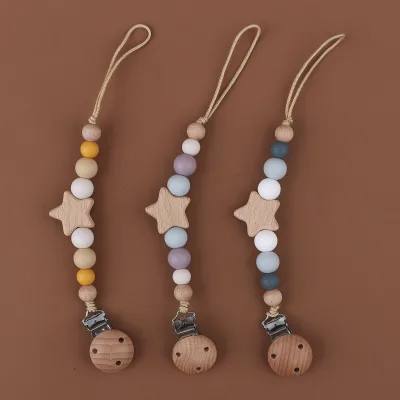
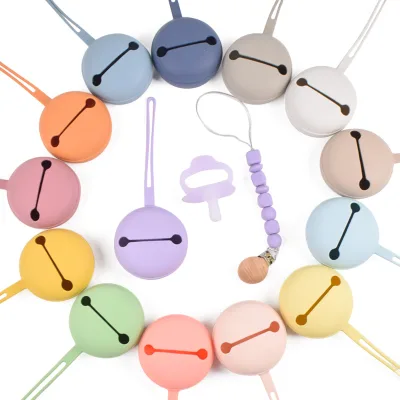
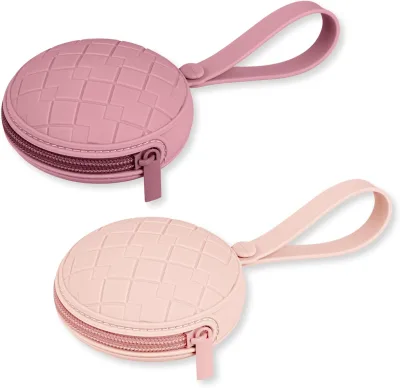
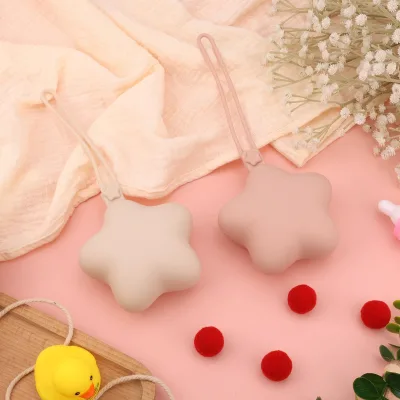
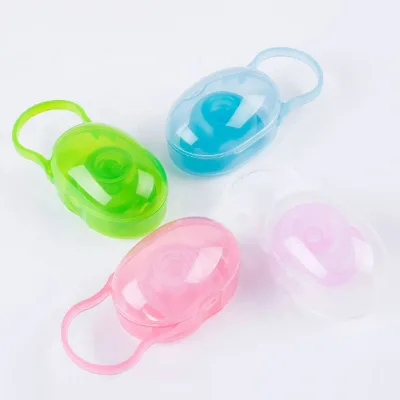
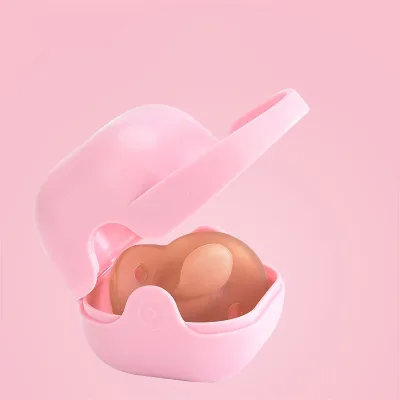
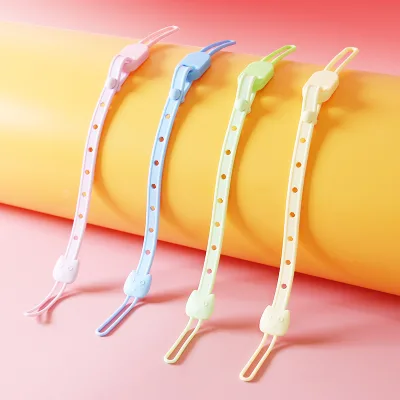
The observed product landscape includes items such as pacifier clips, holders, and covers, with materials primarily consisting of PP plastic and silicone. Listings indicate a wide range of model numbers, including BPC035, BPC062, and X606, suggesting diverse design options from different manufacturers. Colors vary across pink, blue, green, red, and yellow, with some products featuring cartoon or animal patterns to appeal to young children. These visual and material differences directly impact the perceived value and target demographic for each item.
Supply abilities range from 500,000 to 2,000,000 pieces per week or month, indicating that many suppliers have substantial production capacity. However, minimum order quantities (MOQs) vary widely, from as low as 30 pieces to 3,000 pieces, allowing for flexibility in initial orders. Some suppliers offer OEM and ODM services, accepting customer logos and specific packaging requirements. This flexibility is crucial for brands looking to customize products for their unique market positioning and branding strategies.
Technical Specifications to Verify
Verifying material composition is the first critical step in ensuring product safety and quality. Buyers should confirm that the product is explicitly labeled as BPA-free, PVC-free, latex-free, phthalate-free, and nitrosamine-free. While some listings specify food-grade silicone, others mention PP plastic, each with different durability and cleaning characteristics. Understanding the specific material properties helps in assessing the product's longevity and suitability for different usage scenarios, such as frequent sterilization or outdoor use.
Design features such as clip strength, attachment mechanisms, and overall dimensions also require close inspection. Some products are designed as simple clips, while others function as holders or cases with additional features like mustache designs or variable flow nipples. Buyers should request detailed specifications for single package size and gross weight to calculate shipping costs accurately. Additionally, verifying the age range suitability, typically 0-12 months or 1-2 years, ensures the product aligns with the intended user demographic and safety guidelines.
Compliance and Safety Documentation
Compliance with international safety standards is non-negotiable for baby products. Buyers must request and verify certifications such as EN71, CPC, LFGB, CPSIA, ASTM F963, CE, and ASNZS ISO 8124. These certifications demonstrate that the product has undergone rigorous testing for chemical safety, mechanical hazards, and flammability. Without proper documentation, the risk of regulatory non-compliance and potential product recalls increases significantly, jeopardizing brand reputation and legal standing.
Packaging details and labeling requirements are also part of the compliance framework. Listings mention standard packing or custom blister card packaging, which must include all necessary safety warnings and age recommendations. Buyers should ensure that the packaging meets the destination country's labeling laws, including language requirements and hazard symbols. Proper documentation not only facilitates customs clearance but also builds trust with consumers who prioritize safety and transparency in baby products.
Cost Drivers and Commercial Terms
Cost structures are influenced by material choice, customization level, and order volume. Silicone products generally command higher prices than PP plastic alternatives due to material costs and processing complexity. Customization options, such as OEM logos, specific colors, and unique packaging, add to the unit price. Buyers should negotiate based on tiered pricing models, where larger volumes result in lower per-unit costs, while smaller orders may incur higher setup fees.
Commercial terms like MOQ, sample time, and payment conditions vary among suppliers. Some suppliers offer quick sample times of 1-3 working days, which is beneficial for rapid prototyping and quality assessment. However, higher MOQs may be required for custom designs. Buyers should clarify all terms upfront, including port of dispatch, typically Guangzhou, China, and any additional fees for shipping or insurance. Understanding these commercial dynamics helps in budgeting accurately and avoiding unexpected costs during the procurement process.
Supplier Qualification and Quality Control
Evaluating supplier qualifications involves assessing their production capacity, quality control processes, and past performance. Suppliers with high supply abilities, such as 2,000,000 pieces per month, likely have robust manufacturing infrastructure. Buyers should request evidence of quality control measures, including in-process inspections and final product testing. Verifying the supplier's ability to handle OEM and ODM requests indicates their flexibility and commitment to meeting specific client requirements.
Quality control extends to packaging and logistics. Suppliers should provide clear packaging details to prevent damage during transit. Buyers should inquire about the supplier's experience with international shipping and their ability to handle customs documentation. Establishing a clear communication channel for addressing quality issues is essential. Regular audits or third-party inspections can provide additional assurance of product consistency and supplier reliability, reducing the risk of receiving substandard goods.
Long-Term Procurement Checks
Long-term success depends on continuous monitoring of product quality and supplier performance. Buyers should establish key performance indicators (KPIs) for defect rates, delivery times, and customer feedback. Regularly reviewing these metrics helps identify potential issues early and allows for corrective actions. Maintaining open communication with suppliers fosters a collaborative relationship, enabling joint problem-solving and continuous improvement in product design and manufacturing processes.
Adapting to market trends and regulatory changes is also crucial. As safety standards evolve, buyers must stay informed about new requirements and ensure their suppliers remain compliant. Periodically re-evaluating the supplier base ensures access to the best technology and pricing. Building a diversified supplier network can mitigate risks associated with single-source dependencies. By focusing on long-term partnerships and rigorous quality management, buyers can sustain a competitive edge in the baby product market.
FAQs
What materials are used for bpa free baby pacifier holders?
Manufacturers typically use PP plastic or food-grade silicone for these clips. The silicone variants are explicitly labeled as BPA free, PVC free, and latex free. These materials ensure the product is safe for infants aged 0-12 months. The choice between plastic and silicone often depends on durability preferences and specific design requirements for the pacifier clip.
Which certifications ensure the safety of these pacifier clips?
Reputable suppliers provide products certified under EN71, CPC, LFGB, CPSIA, ASTM F963, CE, and ASNZS ISO 8124 standards. These certifications verify that the materials are non-toxic and meet international safety regulations for baby products. Buyers should request these documents to confirm compliance before placing bulk orders for pacifier holders.
Can I customize the logo on the pacifier holder?
Yes, OEM and ODM services are warmly accepted by most manufacturers. Buyers can provide their own logo designs to be printed or molded onto the pacifier clips. This customization allows brands to maintain consistent visual identity. Suppliers typically require design files and may charge a setup fee for the custom logo application process.
What is the typical MOQ for ordering these clips?
Minimum order quantities vary significantly by supplier and product type. Some manufacturers accept low MOQs starting at 30 pieces for samples or small batches. Others require higher volumes, such as 3000 pieces, for standard production runs. Buyers should clarify the specific MOQ with the supplier to align with their inventory needs and budget constraints.
Where are these pacifier holders typically manufactured?
Many of these products are manufactured in Guangdong, China, a major hub for baby product production. The port of dispatch is often Guangzhou, facilitating efficient logistics for international shipments. Buyers sourcing from this region benefit from established supply chains and competitive pricing structures for plastic and silicone baby accessories.
How is the packaging handled for bulk orders?
Packaging details are usually standard or customized according to customer requirements. Common methods include blister cards for individual units and inner boxes for grouping. Cartons contain multiple inner boxes for shipping efficiency. Suppliers ensure that packaging meets safety standards and protects the product during transit, with options for eco-friendly materials if requested by the buyer.